Most promotional merchandise is chosen for how visible it is – but visibility and influence are not the same thing, and buyers who confuse them waste budget.
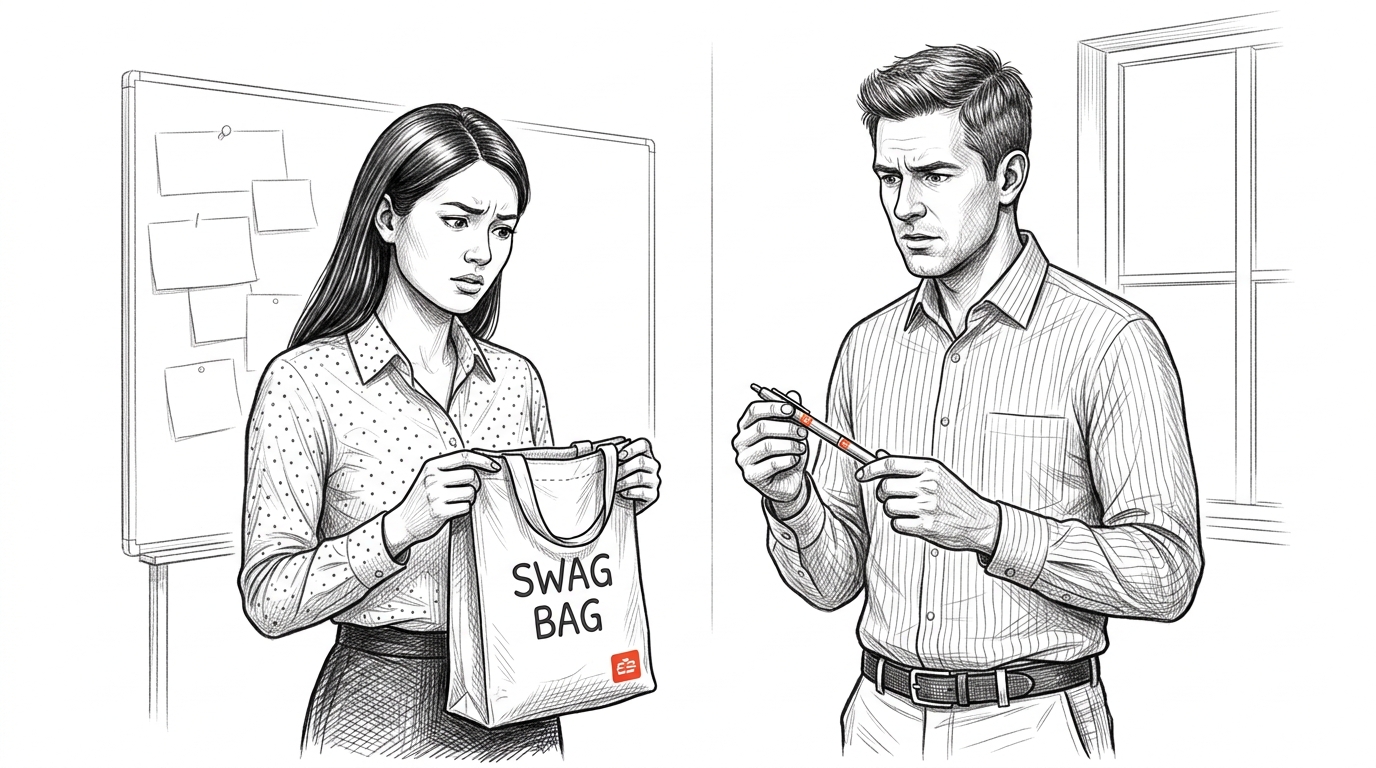
Ask most buyers why they chose a particular branded item and the answer usually comes back to visibility: a big logo, a bright colour, something that “gets seen”. But visibility is not the same as influence. A pen that sits in a drawer has been seen exactly once, at the moment it was handed over, and it has changed nothing about how the recipient behaves.
The promotional merchandise industry has spent decades optimising for impressions rather than outcomes, because impressions are easy to count and outcomes are not. Yet the psychology behind why merchandise works at all has very little to do with logo size. It has to do with reciprocity, utility and repeated contact.
Reciprocity is well documented in behavioural science: when someone receives something useful or thoughtful, they feel a mild, largely unconscious obligation to reciprocate, whether through attention, loyalty or a purchase. Utility extends the effect over time. An item used daily, such as a decent water bottle or a genuinely good notebook, keeps a brand in view for months rather than seconds, and each use reinforces a small positive association. Repeated contact compounds both effects: five low-value touches, spread out over time, often outperform one expensive one.
None of this means expensive or highly visible items are wrong. A striking item at a trade show still has a job to do, drawing people to a stand. But when the objective shifts from “get seen” to “get chosen again”, the selection criteria need to shift too. The right question stops being “will this get noticed?” and becomes “will this change what someone does next: will they remember us, recommend us, or come back to us?”
For distributors, this reframes the conversation with clients away from unit price and logo placement and towards intended behaviour: is this gift meant to open a door, close a deal, retain a member of staff, or build a habit? For end-user buyers, it means being honest about what success looks like before browsing a catalogue, not after.
The businesses getting the most from their merchandise spend are the ones treating it as a small, deliberate nudge towards a specific behaviour, not a marketing afterthought measured in units shipped. It is a modest shift in thinking, but it changes almost every decision that follows: what to buy, who to give it to, and how to know if it worked.
If you want help mapping merchandise decisions to the behaviours you are actually trying to change, Six Different Ways runs AI Roadmap Sessions built for exactly this kind of question. Get in touch to find out more.